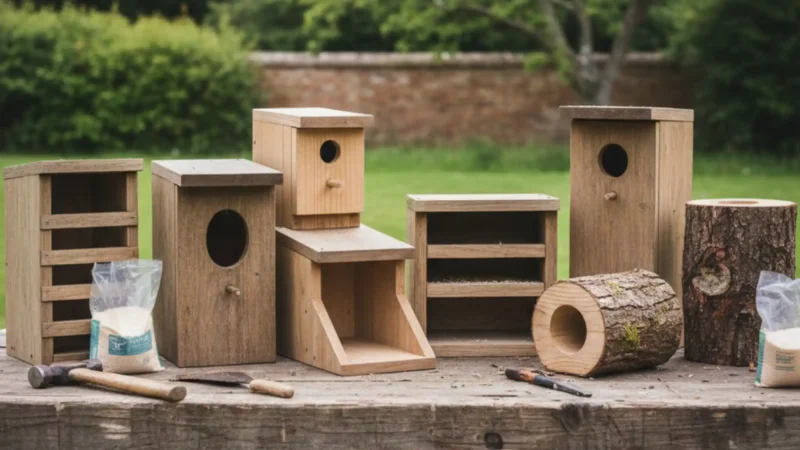
National Nest Box Week on our allotments
On the 14 – 21 February it’s UK’s National Nest Box Week, the start of the bird nesting season and a great moment to recognise

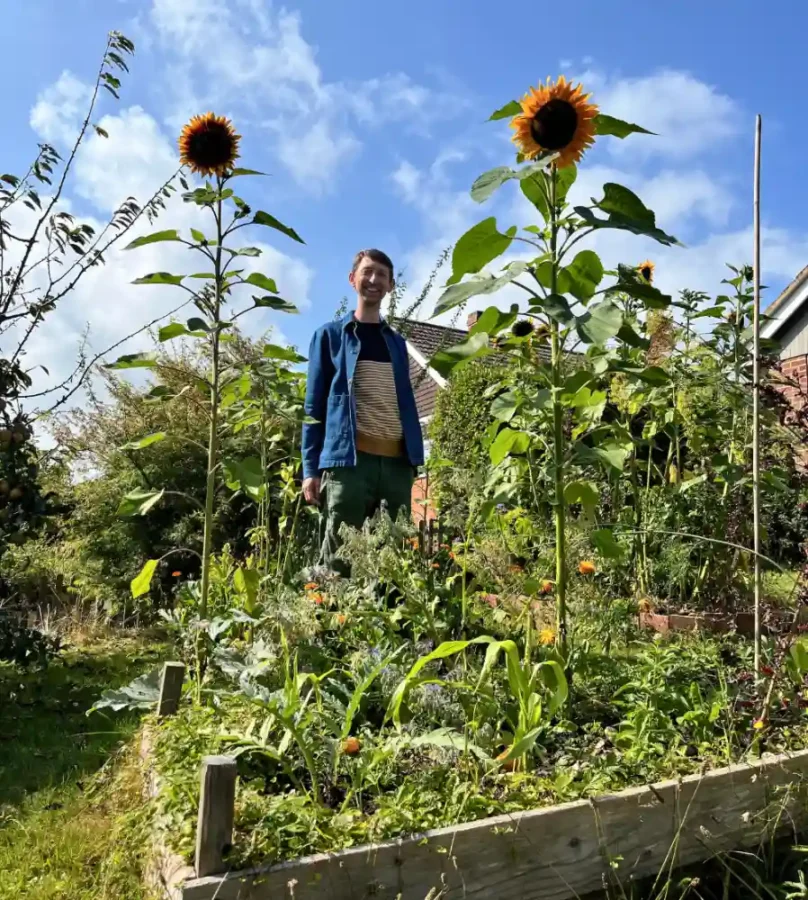
“One of the greatest joys in life for me, is that every year we have tomatoes growing in our garden. One year we counted a thousand cherry tomatoes..” writes Tom Greenwood in his amusingly titled Oxymoron Substack article “When will we face our own sh*t?”.
“What’s even better about these tomatoes is that we didn’t even plant them” he declared; “I love offering a juicy red cherry tomato to a friend and just as they are popping it in their mouth telling them that “they just grew out of our poo!”
Thankfully he’s referring to compost; despite the accuracy of his tomato origin story! Just over a decade ago, Tom ripped the toilet out of his house and replaced it with a Separett Villa, what he calls “a fantastically ugly composting toilet”.
It seemed like a high risk strategy, especially as we only had one toilet, but looking back it was one of the best decisions we made.
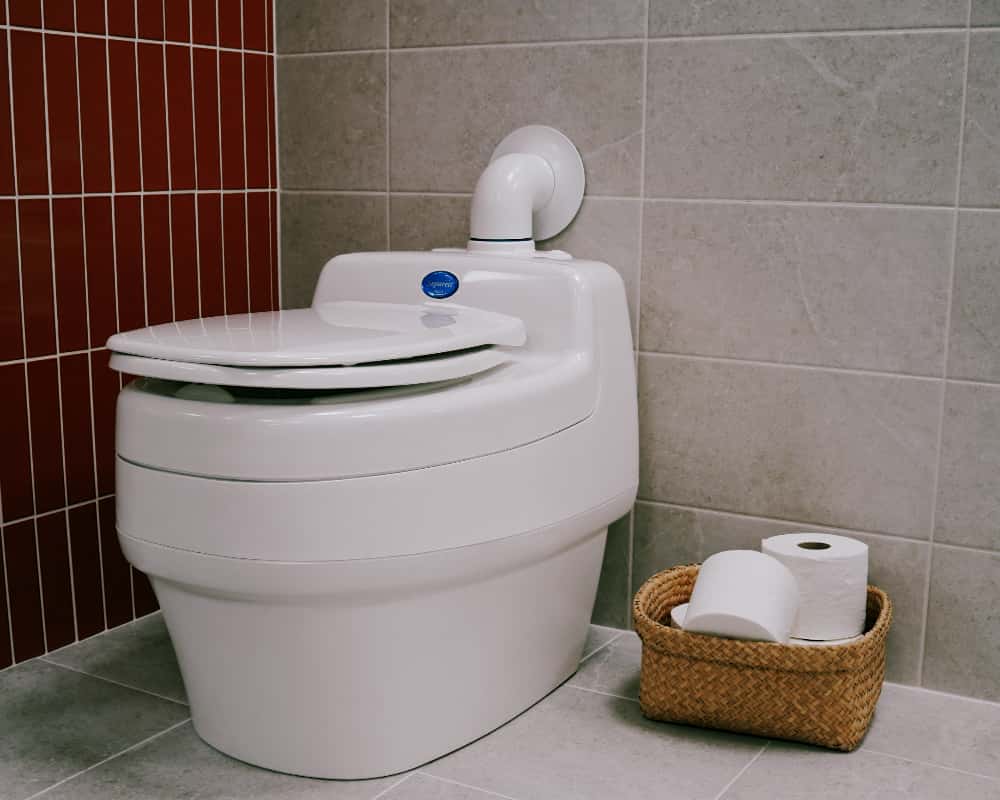
Tom writes in his article that “Despite its aesthetic inadequacies, its advantages have been enormous. Compared to our old toilet we save around 27,000 litres of clean drinking water per year and we now have an abundance of nutritious compost that magically grows tomatoes for us. I’ve estimated that since we installed it, we’ve collected and deposited around 1.6 tonnes of compost made from human manure, also known as “Humanure”.
You might laugh but something strange happens when you live with a composting toilet. Your perspective shifts from seeing your own produce as a disgusting waste stream to a valuable resource. You start to see the end of one meal as the beginnings of a future meal. This happens to such an extent that after a while, it becomes hard to use normal toilets in other places. You start wondering whether you can hold it in until you get home so that you don’t have to throw it away.”
There is an inherently intuitive connection to the natural nutrient cycle that forms when you start taking care of your own excreta. You eat, excrete, compost, grow, eat and repeat. It’s a perfect closed loop system that enriches the local environment and your own health. I often say that if you really want to learn about circular economics, start by closing the loop on your own poop.
Tom’s article goes further to explain how this mindset is far from new. For most of human history human excrement was valued as fertiliser across Asia and beyond. In early twentieth century China, Korea and Japan it was carefully collected and traded to maintain soil fertility. Today we do the opposite. In the UK we spend billions flushing excrement away while farmers spend billions more on artificial fertilisers. We essentially pay twice to destroy value.
Modern sewage systems solved major public-health crises but they did so at a cost. Conventional sanitation pollutes clean drinking water at source by mixing human waste with chemicals, pharmaceuticals and industrial contaminants. This process creates sewage sludge that is costly to treat and can pose environmental risks when spread on agricultural land.
These concerns have been repeatedly highlighted by campaigners and commentators including Hugh Fearnley-Whittingstall and George Monbiot and were reaffirmed through Greenpeace’s petition “UK Govt: Keep Toxic Sewage Off Our Farmland”.
As we write this in early 2026, water companies continue to falter and environmental damage mounts, Tom argues that it may be time to rethink sanitation altogether.
“Humans produce around 438 million tonnes of poo and 4 trillion litres of urine every year. That’s an enormous market opportunity.”
Composting toilets already exist of course. But access to products alone is not the breakthrough. The real challenge has always been quality, reliability, servicing and social acceptance. Waterless systems will only replace flush-and-forget culture when they are genuinely well designed, rigorously tested and easy to live with.
This is where we come in. At WooWoo, we move beyond supply to curate, rigorously test and raise standards across the waterless sanitation sector. We sit at the sharp edge of global innovation, often among the first to assess emerging technologies as they appear worldwide. Our evaluation focuses on real-world performance; durability, user experience, maintenance and long-term environmental outcomes. Only those that meet a high bar enter the UK market under our guidance.
Our most recent addition is the Nature Loo “Alectura”, a porcelain composting toilet from Australia. This super-sleek system represents a genuine step change for the UK, redefining expectations for contemporary, high-performance waterless systems. Selected deliberately, it removes many of the barriers faced by designers and micro-architecture builders by delivering a premium bathroom experience rather than an ‘alternative’ one.
The Alectura exemplifies where the industry is heading. As sanitation is reimagined and waste redefined, we continue to lead that transition – setting standards, guiding choice and ensuring systems are not just sustainable in principle but exceptional in practice.
Tom Greenwood is a writer and thinker exploring the intersections of philosophy, technology, business & spirituality. He is co-founder of Wholegrain Digital, a pioneer in ‘green’ digital design and is author of the book ‘Sustainable Web Design’. He writes ‘Oxymoron’ on Substack and co-hosts the House of Life podcast.If you’d like to read Tom’s substack, the link is here: https://tomgreenwood.substack.com/p/when-will-we-face-our-own-sht
On the 14 – 21 February it’s UK’s National Nest Box Week, the start of the bird nesting season and a great moment to recognise
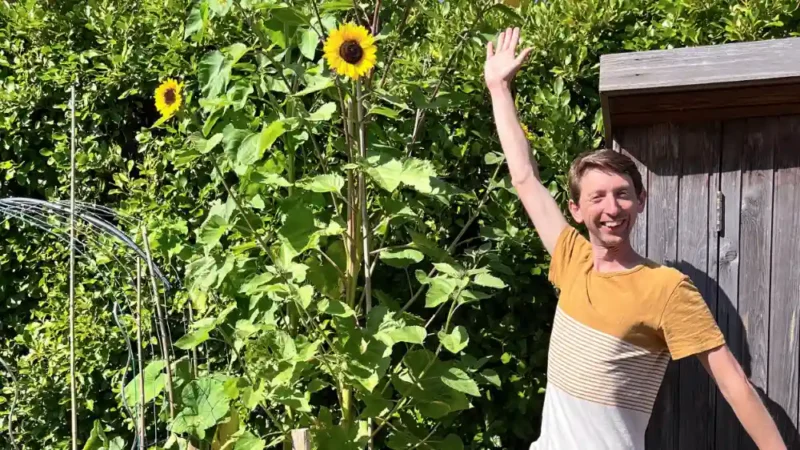
“One of the greatest joys in life for me, is that every year we have tomatoes growing in our garden. One year we counted a
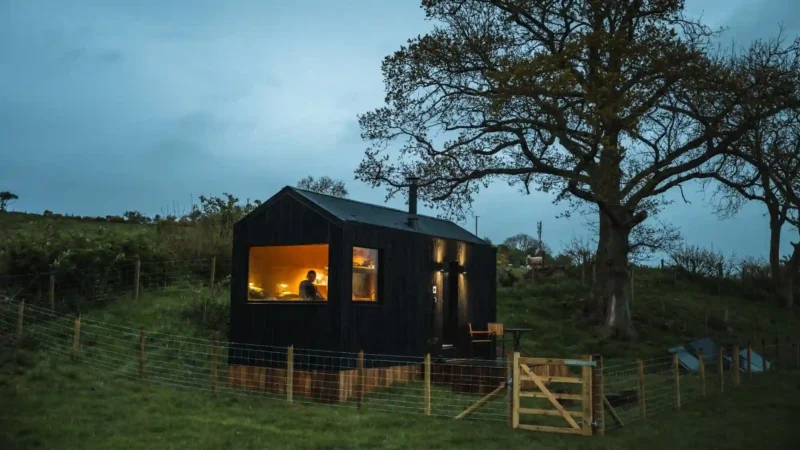
Shacks craft beautiful, off-grid cabins designed for wild luxury stays across Cheshire, North Wales and Staffordshire. Thoughtfully created as cosy hideaways, each cabin is designed to